
Key Takeaways:
- Traditional routers use a broken “castle and moat” security model.
- The average smart home has over 22 vulnerable connected devices.
- GADNET uses Zero Trust, default isolation, and AI anomaly detection to protect your network.
When we started building GADNET in our home lab, we quickly realized our own living rooms were digital ticking time bombs. I remember checking the traffic logs of a brand new smart TV and seeing it phone home to unknown servers every few seconds. Most of us just plug the standard ISP router in, type the password off the sticker, and completely ignore it. But with so many black-box smart devices today, we knew that setup was a massive disaster waiting to happen.
That is exactly why we built GADNET. It is an open-source router powered by the Zero Trust model, designed to lock down your home network for real.
Why are traditional routers failing us?
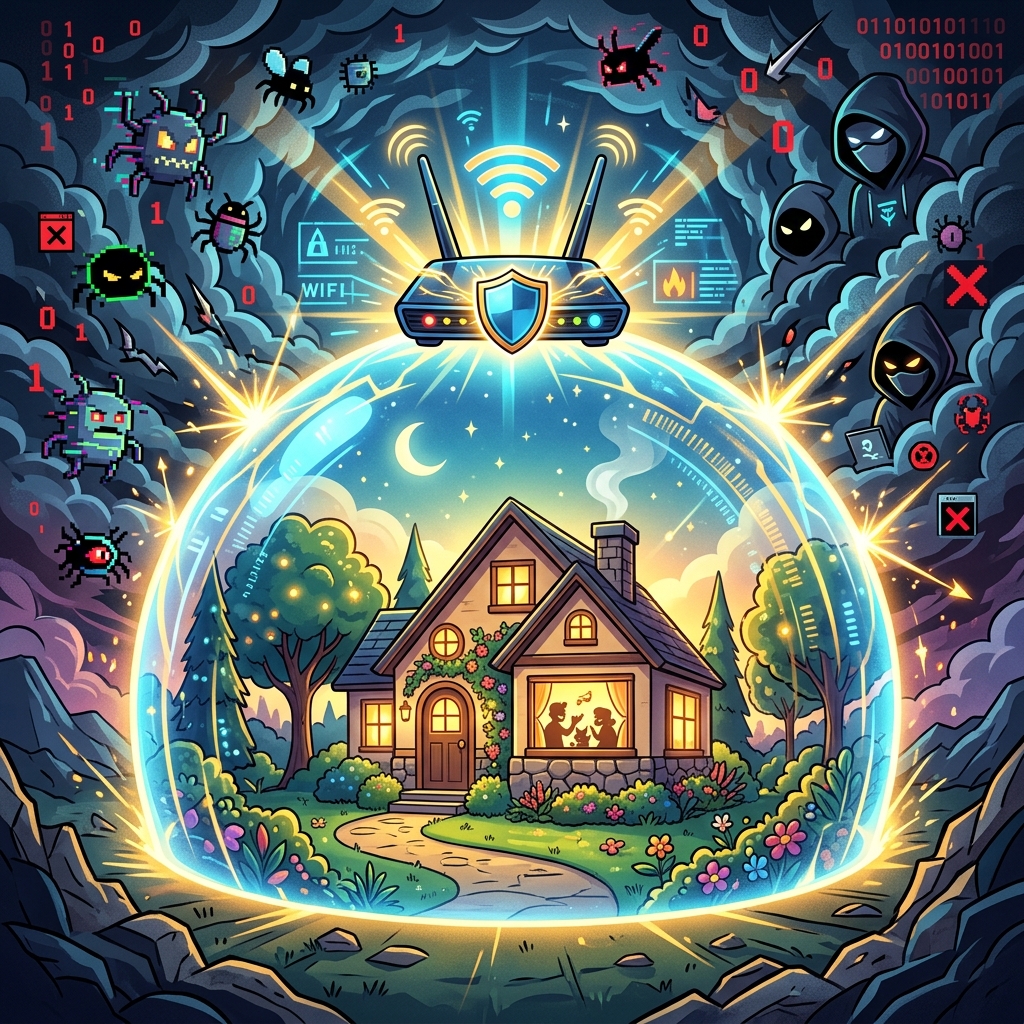
Old-school routers rely on the “castle and moat” concept. The wild internet outside is the threat, and everything connected to your WiFi inside the castle walls is automatically trusted.
Sounds fine at first, right? But it totally falls apart in practice. These days, the average house has around 22 connected devices. You only need one of them to have a weak spot. If an attacker cracks the password on your cheap smart camera, a traditional router just lets them stroll right over to your work laptop, your phone, or your private network drives.
What exactly is GADNET?
Basically, GADNET is a software stack built for hardware like the Raspberry Pi 5. Instead of blindly trusting every device on your network, we completely flipped the script. We run a strict Zero Trust policy.
Here is what we packed into the system:
- Default Isolation: Any new gadget trying to join your network goes straight into the “Isolation Zone”. No internet access. No visibility. It just sits there until you manually approve it.
- Microsegmentation: Out of the box, we give you 6 separate zones like Trusted, IoT, and Guest.
- Passwordless WebAuthn: Typing passwords into an admin panel at
192.168.0.1is outdated. We use U2F keys like YubiKey or biometric logins. Hackers cannot steal a password if it does not exist. - AI Anomaly Catching: We put an AI model inside that learns your normal traffic. If a weird device suddenly starts scanning ports, the system flags it instantly.
We built this whole thing on top of Alpine Linux, backed by FastAPI and Redis. This gives you enterprise-grade security without needing massive computing power. You can grab the image straight from our GitHub and turn your Raspberry Pi into the toughest router around.